
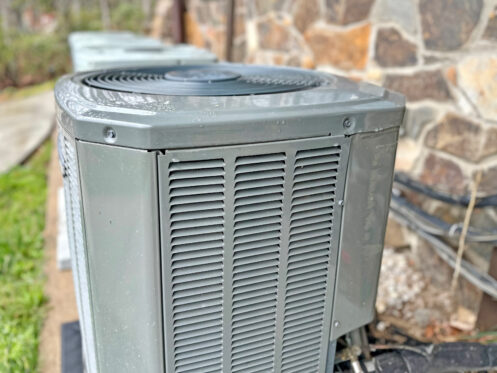
Uneven temperatures in a home happen because traditional systems cycle on and off at full power. This creates hot spots, cold corners, and rooms that never quite feel right. Variable-speed systems adjust airflow and heating gradually, providing steadier temperatures throughout the day. At GMC Pros in Canton, OH, we help homeowners upgrade to systems that prioritize consistent comfort while reducing monthly energy costs.
How Variable-Speed Systems Change the Way Your Home Feels
Traditional HVAC systems tend to operate in a simple pattern. They turn on at full power, push out a strong burst of heated or cooled air, then shut off once the thermostat reaches its target. This cycle can leave rooms feeling uneven, with one space comfortable and another still catching up. A variable-speed system works differently. Instead of running at a single level, it adjusts how fast the blower and compressor operate based on what your home needs in that moment.
This steady adjustment means air moves through your home more consistently. You are less likely to feel sudden blasts of cold or heat when the system starts up. Instead, the air feels smoother and more natural as it circulates. Over the course of the day, that steady movement can help maintain a more even indoor temperature from room to room. This is especially true in homes with open floor plans or long hallways where air can struggle to reach.
That consistent airflow also helps mix the air in your living spaces. Warm air that rises and cooler air that settles can balance out more easily.
Why Slower Operation Can Improve Indoor Air Quality
When a system runs for short, powerful bursts, it does not always have time to move much air through the filter. A variable-speed system, by contrast, often runs for longer periods at lower speeds. This extended run time allows more air to pass through the filtration system. As a result, less dust, pollen, and other particles end up in your living spaces.
You may notice less dust on furniture and shelves, especially in rooms that previously felt stagnant. The steady movement of air helps prevent particles from settling as quickly. For households with pets, this can also help reduce how much pet hair and dander drifts from room to room.
Another benefit of longer run times is more balanced humidity levels. When air moves slowly across the cooling coil during warm months, the system has more time to remove moisture from the air. This can help your home feel less sticky and more comfortable, even if the thermostat setting stays the same. That balance can make a noticeable difference in bedrooms and living spaces where humidity often lingers.
Energy Use and What It Looks Like Day to Day
Running at lower speeds for longer periods can seem like it would use more energy. However, variable-speed systems are designed to match their output to the home’s needs. Instead of drawing a large amount of power every time the system starts, the equipment can operate at a reduced level once the desired temperature is close. This can lead to smoother energy use across the day rather than sharp spikes.
In practical terms, this often shows up as a more stable pattern in energy bills. While savings depend on the home, insulation, and daily habits, many homeowners notice fewer dramatic month-to-month jumps. The system spends more time maintaining comfort rather than constantly correcting large swings in indoor temperature.
Another part of this efficiency comes from reduced wear. Frequent starts and stops place stress on motors and components. By staying in motion at a lower speed, parts experience less strain, which can support a longer lifetime for the system as a whole.
Comfort in Rooms That Used to Feel Left Out
Every home seems to have a room that never quite feels right. It might be a bedroom at the end of the hallway, a bonus room above the garage, or a space with large windows. These areas often feel warmer or cooler than the rest of the house because air does not reach them as easily.
Variable-speed systems can help with this issue by keeping air moving more consistently through the ductwork. Instead of pushing air in short bursts, the system provides a steady flow that can reach farther into the home. Over time, this can help narrow the gap between the most comfortable room and the one that used to feel off.
This steady delivery can also work well with zoning systems, where different areas of the home are controlled separately. When paired together, variable-speed technology and zoning can offer more precise control. This allows you to tailor comfort to how you use rooms throughout the day.
Noise Levels and the Feel of a Quieter Home
One of the first things many people notice after switching to a variable-speed system is how quiet it feels. Traditional systems can be loud when they start up, with a noticeable rush of air through vents and a hum from the HVAC system. A variable-speed system eases into operation, often running at a lower level for most of its cycle.
This softer approach can make a difference in daily life. Conversations, phone calls, and television viewing can feel less interrupted by system noises. In bedrooms, quieter operation can help create a peaceful environment for sleep, especially for light sleepers sensitive to sudden noise.
How Variable-Speed Systems Work With Modern Thermostats
Many variable-speed systems pair well with advanced thermostats that can communicate directly with the equipment. Instead of simply sending an on signal, these thermostats use information about indoor conditions and how quickly your home is heating or cooling.
This communication allows the system to make more refined adjustments. For example, if the thermostat senses that the home is approaching the desired temperature, it can signal the system to slow down rather than shut off completely. This helps maintain a steady indoor environment without overshooting the target and needing another cycle to correct it.
Installation Factors That Affect Performance
The effectiveness of a variable speed system depends on proper heater and AC installation. Proper sizing is one of the most important factors. A system that is too large for the home can still short-cycle. On the other hand, a system that is too small may struggle to keep up during extreme weather.
Ductwork also plays a major role in how well variable systems work. Leaks, poor insulation, or restrictive layouts can limit airflow in the home. Even the best equipment cannot perform well if the air path is compromised. A professional evaluation of ducts can identify areas where airflow could be improved to support the system’s lower, steadier speeds.
Steady, Ongoing Comfort at Home
At GMC Pros, we have been serving the residents of Canton, OH and the surrounding areas for over three decades. We install, repair, and maintain heating and cooling systems, including ductless mini-splits. As a local company, we focus on building long-term customer relationships. This means you can expect quality work at reasonable prices.
Contact us today to schedule an appointment with one of our experienced technicians.